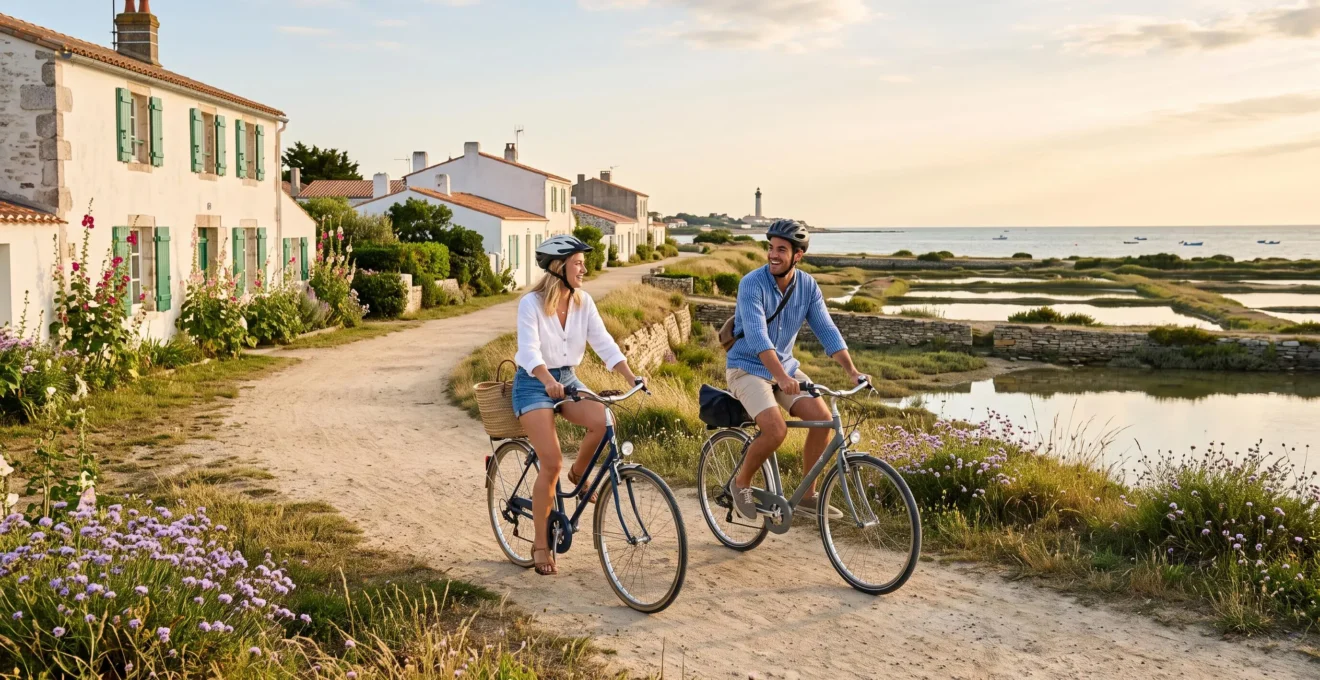
Planning an Île de Ré summer holiday is mostly about three decisions: when to travel (to manage crowds), where to stay (to match your budget and vibe), and how to move around (so you don’t spend your week searching for parking). If you get those right early, the rest—beaches, markets, villages—falls into place.
This guide focuses on practical choices you can make before booking: the busiest parts of summer, what “early booking” really means on the island, how the bridge crossing works, and what to prioritise once you’re there. Any seasonal detail (opening times, prices, access rules) should still be checked just before you confirm reservations.
Your summer plan for Île de Ré in 5 decisions
- Pick dates first: July–August concentrate a large share of visitors; June and September are often easier for booking and crowds.
- Choose a “base” village: reduce daily travel time and match your evenings (quiet vs lively) to your trip style.
- Book the essentials early: accommodation and key restaurants/activities in peak weeks can fill up fast (always confirm directly).
- Plan your mobility: expect limited parking in high season; cycling is often the simplest way to link beaches and villages.
- Build flexible days: alternate early-morning beach time with markets and quieter spots later in the day.
When Is the Best Time to Visit Île de Ré in Summer?
Direct answer: If you want a classic beach-and-village summer trip with fewer queues and easier booking, June and early September are often the most comfortable compromises. July and August bring the highest visitor concentration, so you’ll need earlier reservations and smarter day planning.
The island is heavily seasonal. According to the Destination Île de Ré Tourist Office, around 92% of visitors come between April and October, with 41.5% of visitors in July–August—so those two months are where crowd pressure is most noticeable in popular villages, markets and beaches.
If your main worry is peak-season crowding, use that information to guide your dates: shift your stay slightly earlier (June) or later (September) when possible, or avoid weekend-to-weekend travel patterns that intensify traffic and turnover.
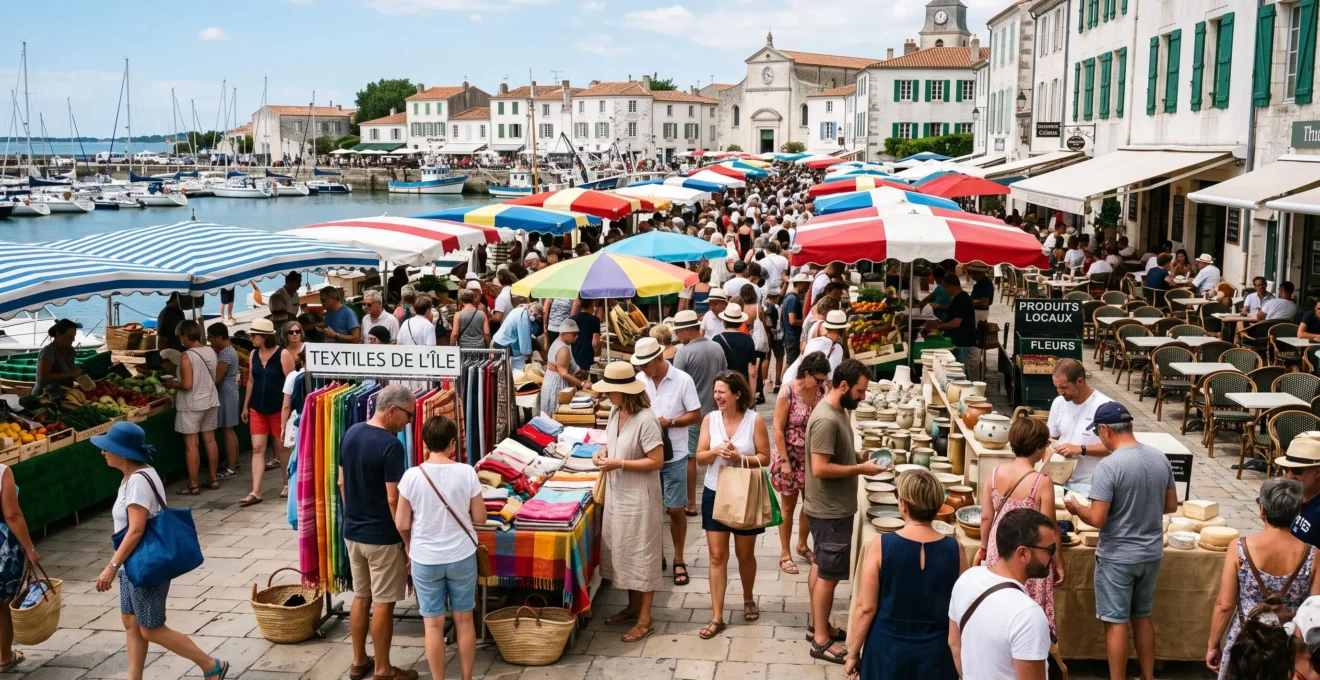
What changes between June, July and August?
June typically feels “summer-like” with more breathing room: it can be easier to choose accommodation, find restaurant tables, and cycle without constant congestion. It’s also a good month if you want a week-long stay without paying the peak premium everywhere (prices still vary widely—always verify before booking).
July is a transition month: by mid-July, the island can feel distinctly busier, especially in the most visited villages and at market hours. If you travel in July, you can often reduce friction by arriving mid-week and planning beach time early in the day.
August is the most “high-season” month in practice: booking windows shrink, roads and parking can be more constrained, and the most famous spots get crowded quickly. If August is your only option, the key is to lock in accommodation early and plan your days around quieter time slots.
How far in advance should you book for summer?
For July–August, assume you’ll have a smoother experience if you book accommodation as early as you reasonably can, especially for family-friendly options and anything close to the beaches. Even when you find availability, double-check cancellation terms and arrival rules (some properties have strict check-in days in peak weeks).
The island’s own tourism body explicitly encourages visitors to spread travel across April, May, June, September and October to ease pressure—useful context if you have flexibility on dates. You can read the official guidance on office de tourisme île de Ré affluence.
Peak-week reality check: transport times, restaurant schedules, and activity availability can change week to week in summer—reconfirm practical details close to departure.
Where to Stay on the Island
Where you sleep on Île de Ré decides what your days feel like. A “perfect” village on a map can become inconvenient if you spend every evening searching for parking or cycling long distances with small children. Start with your trip profile (family week, couple’s break, solo reset) and the atmosphere you want after 6pm: lively harbourside terraces, quiet lanes, or easy beach access.
Because prices fluctuate quickly in summer—and because this guide won’t invent figures—treat any online price you see as a snapshot, and verify directly with the property or platform before paying. If you’re torn between styles, a helpful way to decide is to compare accommodation types (rental, guesthouse, camping) based on how you want to live day to day.
Which village should you choose for your summer base?
Without overpromising a “best” choice, you can make this decision practical: pick a base that reduces the journeys you’ll repeat every day (bakery, beach, evening walk, groceries). In peak weeks, short distances matter because traffic and bike-path congestion can turn small detours into daily stress.
As a rule of thumb, build your shortlist with two filters: evening vibe (quiet vs lively) and daily routine (beach-first, cycling loops, or village-hopping). Once you have two or three villages, check your must-dos (market day, beach type, surf/windsports, harbour dinners) and see which base keeps them easiest.
Camping, holiday rentals or B&Bs: what fits your budget?
Each accommodation type solves a different summer problem. Camping can be a good fit for a tighter budget and for families who want on-site facilities—but availability can still be tight in the busiest weeks. Holiday rentals offer kitchen freedom (useful when restaurants are fully booked), while B&Bs/guesthouses can be ideal for short breaks and travellers who prefer a simpler, service-led stay.
For a data-backed perspective on how important camping is locally, the Insee reports that camping overnight stays in Charente-Maritime recorded 8.1 million camping overnight stays in 2024 (28% of campers in Nouvelle-Aquitaine), slightly down compared with 2023. That doesn’t give you Île de Ré prices, but it does explain why camping is a major part of the summer accommodation landscape in this department.
Cas pratique
Hypothetical scenario: A family of four wants one stress-free week in August on a controlled budget. They shortlist a camping option within cycling distance of a beach and a supermarket, then book early to secure dates. They plan two “big village” visits early in the week and keep the rest of the days beach-led, returning before the busiest evening hours.
Getting There and Getting Around
Most summer trips to Île de Ré revolve around the bridge crossing and the question: do you really need a car on the island? In high season, parking limits and busy village centres can turn a car into a constraint. For many visitors, the most efficient setup is to arrive by car, park thoughtfully, then rely on cycling and short local trips for the rest of the stay.
How does the bridge crossing work in summer?
The bridge is a paid crossing, and the price changes by season. Since 1 January 2025, the Département de la Charente-Maritime lists the return toll for class 1 and 2 vehicles as €16 in high season (15 June–15 September), versus €8 in mid season and €4 in low season. Check the official page for categories and any updates: tarifs péage pont île de Ré.
In practice, the toll is only one part of your timeline: traffic is what changes your day. If you can choose, aim for mid-week arrivals and avoid stacking your travel on the most common changeover days.
Do you need a car once you’re on the island?
Not necessarily. If your accommodation is well placed, you can cover many days without driving by combining cycling with short walks and local services. A car can still be useful for luggage, very young children, or if you’re staying somewhere that makes daily trips long and impractical.
To decide quickly, ask yourself one question: will you do the same route every day? If yes (beach, bakery, market, evening stroll), cycling often wins. If no (long cross-island trips daily, bulky equipment, mobility constraints), a car may be worth the trade-offs—just plan parking realistically.
A simple one-day cycling loop (example itinerary)
A practical way to experience the island is to plan a loop that mixes one beach stop, one village centre, and one quieter landscape stretch (salt marshes or coastal paths). Start early to enjoy the calmest cycling conditions, then save markets and village wandering for later once you’ve secured your beach time.
- Leave early
Ride before the busiest beach hours to keep paths and crossings smoother.
- Beach first
Set up while space is easy to find, then swim/walk while it’s still calm.
- Village break
Choose one village for lunch or a coffee rather than hopping between several.
- Scenic return
Take a quieter route back (marshland paths are ideal when available) and avoid peak car traffic windows.
What to Do: Beaches, Markets and Local Life
Your best days on Île de Ré usually follow a simple rhythm: one priority (a beach session, a market, a village visit), plus one flexible extra depending on wind, heat, and crowd levels. That approach avoids the common mistake of trying to “tick off” too much and spending more time in transit than enjoying the place.
Which beaches should you prioritise in summer?
Rather than chasing a single “best beach”, match the beach to your group and the conditions on the day. Families often need easy access and predictable swimming zones; sporty travellers look for wind and space; anyone sensitive to crowds benefits from going earlier and choosing less central stretches.
Because beach access points, supervision (where applicable), and seasonal arrangements can change, verify the local specifics close to your trip—especially if you’re travelling with children or planning watersports.
How do you enjoy markets and local producers without the crush?
Markets are part of the island’s summer identity, but they’re also where crowding concentrates fast. The simplest tactic is timing: go early for calmer browsing, or go later with a tight list when you already know what you want. If you’re looking for a “local-life” evening, build a simple picnic from market produce and keep dinner plans flexible.
Île de Ré is known for its market-gardener tradition (“maraîchin” producers). Instead of trying to visit everything, pick one market experience you’ll actually enjoy, then balance it with quieter bike paths or a late-afternoon beach session.
What can you do beyond the beaches?
Village walks, harbours, and salt-marsh landscapes give you a strong “Île de Ré” day even if the beaches feel too busy. Another reliable option is building a cycling day around scenery rather than hotspots: you’ll still pass postcard views, but you won’t be locked into the busiest squares at midday.
If the weather turns or you just need a break from peak summer energy, switch the plan: shorter rides, a longer lunch, and one sunset walk. Keeping one “quiet” day in your week can make the rest feel easier.
How to Plan a Stress-Free Summer Trip
A successful summer stay on Île de Ré comes down to anticipation: dates, accommodation and logistics first, then daily plans that work with crowd patterns rather than against them. If you’re worried about costs, the biggest lever is often not a secret deal—it’s choosing the right week, booking early enough to have options, and avoiding last-minute decisions in the most pressured periods.
What should you book first for a summer stay?
Start with the non-negotiables: accommodation, travel days/times, and any “must-do” activity that has limited slots. Then build a simple plan for food (a mix of groceries + a few restaurants you book ahead if travelling in peak weeks). For everything else, keep flexibility: it’s the best antidote to weather shifts and crowd hotspots.
- A few months out
Choose dates, pick a base village, and book accommodation early enough to keep real choice.
- A few weeks out
Decide whether you’ll use a car daily or mostly cycle; note any parking constraints linked to your accommodation.
- One week out
Recheck seasonal details (opening times, market days, access rules) and adjust your day plans around early starts.
- On arrival
Do one orientation loop (by bike if possible) to locate the beach access, supermarket, and easiest routes from your base.
How can you avoid the summer crowds without missing the best bits?
Use three simple levers. First, timing: early mornings and later afternoons are often calmer for beaches and village centres. Second, focus: pick one headline village/market experience and keep the rest deliberately quieter. Third, mobility: cycling lets you bypass the most frustrating part of high season—parking and stop-start traffic near hotspots.
This is also where your base-village choice pays off: if you can reach a beach and a village centre quickly, you’re less exposed to peak congestion windows.
How do you keep a summer budget under control on Île de Ré?
Budget control comes from reducing “forced spending” during the busiest days. A kitchen (in a rental) or a planned grocery routine can prevent expensive, last-minute meal decisions. Likewise, booking earlier can help you avoid paying a premium simply because only a few options remain.
If camping is on your shortlist, remember it’s a significant part of the local tourism offer in Charente-Maritime (as reflected in Insee’s 2024 overnight-stay figures), so it can be worth comparing several sites early rather than waiting for whatever is left.
Which period in summer is least crowded on Île de Ré?
Based on the Tourist Office’s seasonality figures (a large share of visitors concentrated in July–August), June and early September are often easier for crowd levels and bookings. Exact conditions vary by week, so confirm practical details close to travel.
How can I plan an Île de Ré summer holiday without knowing the island?
Make it decision-led: pick dates, choose one base village, decide if you’ll mostly cycle, then build three “anchor” plans (one beach day, one market/village day, one scenic cycling day). Keep the rest flexible and verify seasonal opening times before you go.
Which village suits a family staying a week?
The practical answer is the village that minimises daily friction: easy cycling routes, quick access to a suitable beach, and nearby groceries. In peak weeks, short and safe everyday routes matter more than chasing a “perfect” spot on a map.
Do I need a car once on the island?
Not always. If your accommodation is well located, you can cover many summer days by bicycle and on foot, which also reduces parking stress. A car can still help for luggage-heavy trips, mobility constraints, or frequent long cross-island journeys.
If you want your Île de Ré summer holiday to feel relaxed rather than rushed, lock in the essentials early, plan around peak-hour reality, and keep one quiet option for each day (a scenic ride, a calmer beach window, a simple market shop). That’s usually what separates a smooth week from a stressful one.